

Dust Characterization Indoor Air Quality Testing
Laboratory Analyzed. Professional-Grade Sampling Equipment. Client-focused.
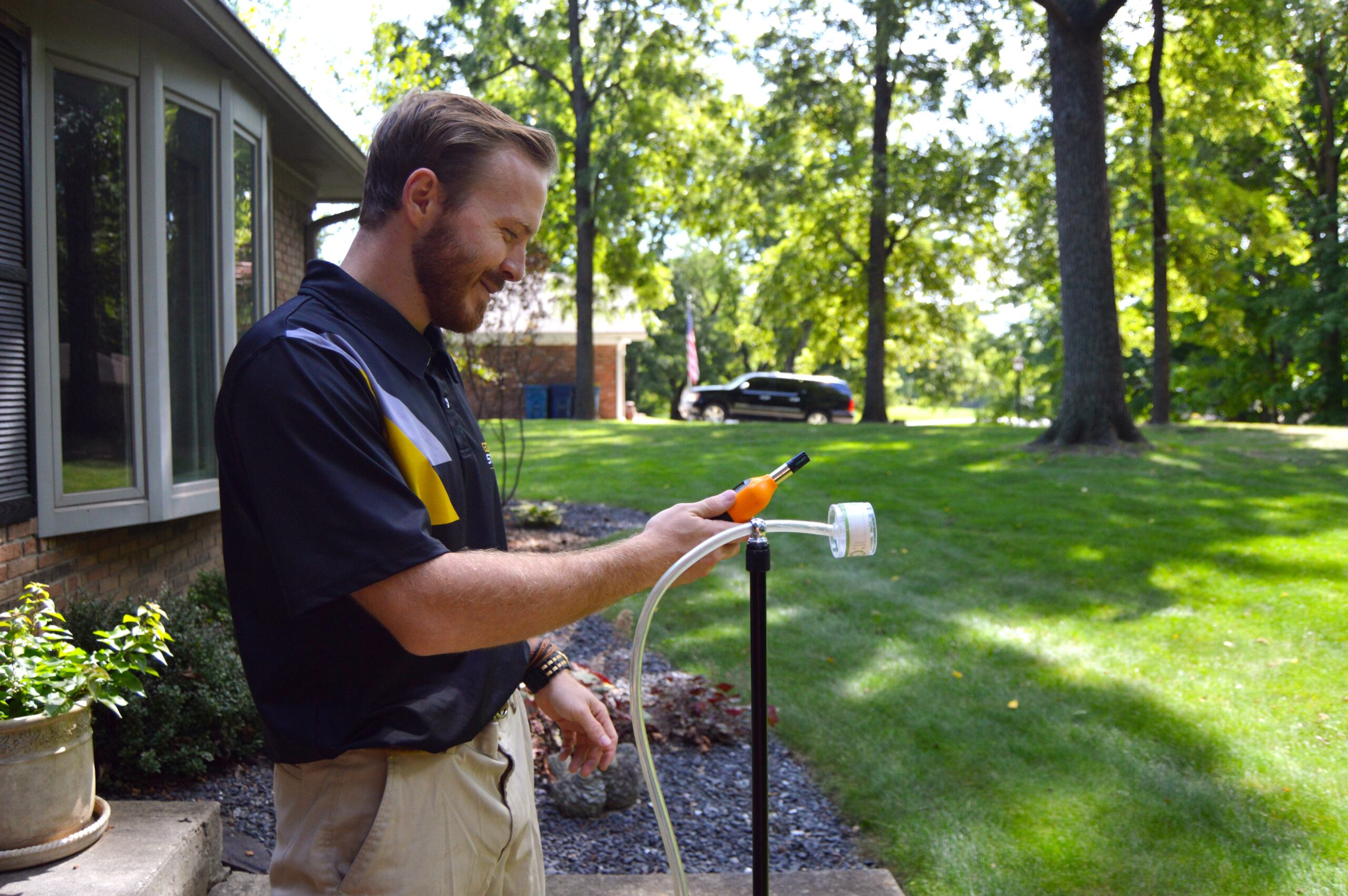
Thorough Dust Characterization
Ever wonder what is actually in the dust and air inside your home? Our Dust Characterization identifies the particles present in your indoor air and dust, from mold spores and pollen to pet dander, fiberglass, soot, and construction debris. We collect air and/or surface samples using professional-grade sampling equipment, along with an outdoor control sample for comparison, and send them to a professional laboratory for microscopic analysis.
Our comprehensive report breaks down the laboratory results by particle type, compares your indoor results to the outdoor air, and highlights any particles found at elevated levels, along with possible sources and recommended next steps. Additional sampling locations are available for a charge.
What's in Your Dust?
Household dust is much more than dirt. It is a mixture of particles from both inside and outside the building, including shed skin cells, fibers from clothing and carpet, pet dander, pollen, mold spores, insect parts, soil tracked in from outdoors, soot from candles and fuel-burning appliances, and fine debris from building materials such as drywall and insulation.
A Dust Characterization uses laboratory microscopy to identify these particles and sort them into categories, so you can see what is actually in the air you breathe and where it may be coming from.
Why Indoor Air Quality Matters
People spend most of their time indoors, and the EPA has reported that indoor concentrations of some pollutants can be 2 to 5 times higher than typical outdoor concentrations. Many components of indoor dust are known allergens or irritants. Dust mites, pet dander, cockroach debris, pollen, and mold spores can trigger allergy and asthma symptoms (e.g., sneezing, congestion, coughing, wheezing). Fiberglass and other insulation fibers can irritate the skin, eyes, nose, and throat. Young children, older adults, and people with asthma, allergies, or weakened immune systems are often the most sensitive.

When You Should Test
Most people test when they or their family experience allergy-like symptoms or irritation that improve when they leave the home, or when they notice dust that keeps coming back shortly after cleaning.
Dust Characterization is also helpful:
- When symptoms continue but mold testing comes back normal
- After renovation or construction work
- After a nearby fire or smoke event
- When the heating and cooling system or ductwork may be spreading debris
- Before and after duct cleaning or remediation, to compare results
- When buying a home, to understand the indoor environment before you move in
Quantitative Testing
Quantitative: Counts each particle type and reports its concentration, so your indoor air can be compared directly to the outdoor air. Recommended when investigating symptoms or air quality concerns.
What We Identify
The laboratory identifies and reports particles in the following categories:
Plant & Fungal Particles
Mold Spores & Fungal Matter, Pollen, Moss & Fern Spores, Plant Fibers (Cellulose), Starch Particles, Trichomes, Algae, Diatoms
Animal Particles
Skin Cells & Dander, Animal Hair, Dust Mites, Insect Fragments
Non-Biological Particles
Fiberglass & Insulation Fibers (Man-Made Vitreous Fibers), Dark Particles (Soot, Soil, Rust, Rubber), Drywall & Construction Dust, Synthetic Fibers
What's Included in Your Assessment
Our Dust Characterization gives you a clear picture of the particles in your indoor air and dust. We collect air and/or surface samples from the areas of concern, along with an outdoor control sample whenever conditions allow, and send them to a professional laboratory for analysis. The laboratory results are included with our Dust Characterization report.
Detailed lab report and analysis included in our Dust Characterization report.
Indoor results compared to the outdoor air, so elevated particles are easy to spot.
Possible sources, specific recommendations, and next steps for any elevated particles.
Convenient Scheduling Options
A Complete Indoor Air Quality Picture
Dust Characterization pairs perfectly with our Mold Assessment & Testing and Allergen Screening services. Add them together for a complete picture of your home’s indoor air quality.
Spectacular Report
Our reports are easy to read, colorful, and photographic, stored for easy access and retrieval.
Web-Based Reports with interactive capabilities
Summary & Full PDF Reports