
The Silent Threat: Understanding Wood-Destroying Fungi in Your Home
When you purchase a home, you expect to deal with visible issues, but some of the most severe problems hide in plain sight. Or rather, in the damp, dark corners where Wood-Destroying Fungi (WDF) thrive. While many focus on termites, wood-decaying fungi can cause even more extensive structural damage to homes over time.
What Are Wood-Destroying Fungi?
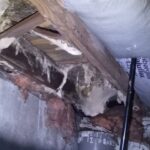
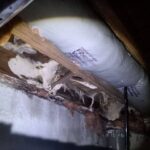
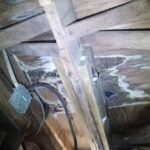
Wood-destroying fungi are organisms that actively digest the fibers in wood, causing it to decay and severely compromise the structural integrity of wooden components. These fungi require four key elements to grow: Food (wood), oxygen, favorable temperatures, and, most importantly, moisture [1][2].
Evidence of wood-destroying organism activity, often fungal, points directly to a moisture problem.
The Hazards: Structural Damage and Health Risks
The primary danger of wood-destroying fungi is the structural damage they cause by rapidly rotting wood in damp areas. Research indicates that wood decay fungi cause more structural damage to homes annually than termites, floods, and fires combined.
- Structural Compromise: Fungi break down the wood’s strength, which can lead to sagging floors, rotted sill plates, and compromised framing if left untreated [3][4].
- Moisture Indicator: The presence of fungi, or even surface molds and mildews, signals that conditions are favorable for decay. This often points to underlying issues like plumbing leaks, roof damage, or poor ventilation that need correction [2][3].
- Health Concerns: While the fungi themselves may not be directly toxic, their presence indicates high moisture levels that also promote mold growth. Mold exposure can trigger allergies, respiratory issues, and infections in sensitive individuals [5][6].
Why Treatment Alone Isn’t Enough
If you find evidence of wood-destroying fungi, simply treating the visible decay is often inadequate. Treatment alone will likely not be enough to prevent recurrence because the underlying moisture condition that allowed the fungi to flourish remains [7]. The key to preventing future damage is identifying and correcting the source of the excess humidity or water intrusion.
Next Steps for Homeowners
If you suspect or find evidence of wood-destroying fungi during your home buying process, immediate action is necessary:
- Professional Evaluation: Have a qualified specialist inspect the area to identify the type of fungus and confirm the moisture source.
- Remedy the Moisture: The underlying water issue (be it a leak, poor drainage, or condensation) must be fixed to stop the fungi from returning.
- Repair/Replace Wood: Severely damaged wood must be professionally removed and replaced to restore structural integrity.
Don’t let hidden moisture lead to expensive, hidden repairs. A thorough inspection that includes looking for signs of wood-destroying organisms is a vital step in protecting your investment!